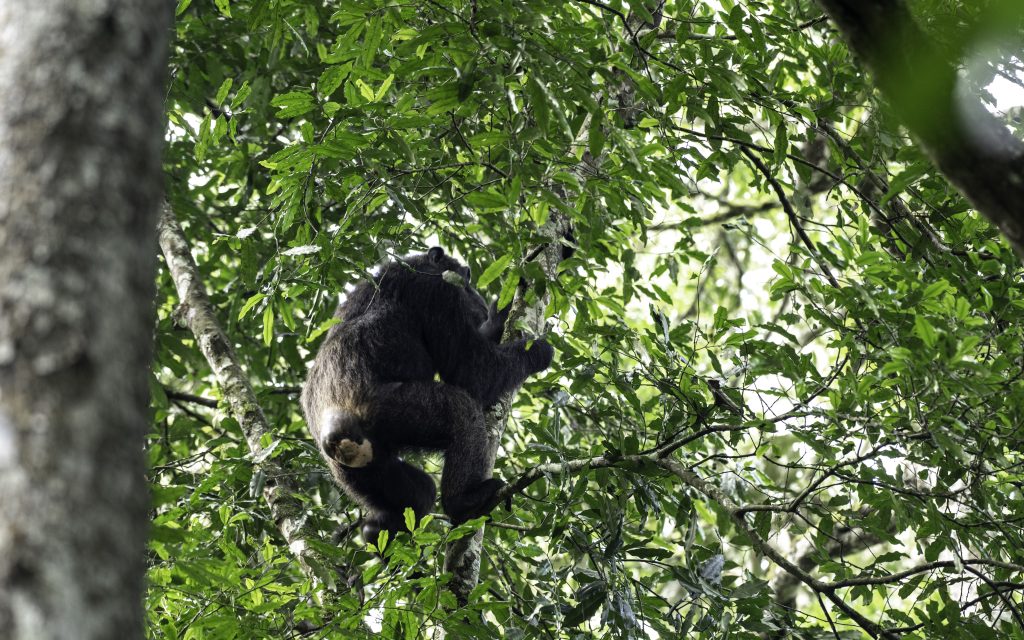
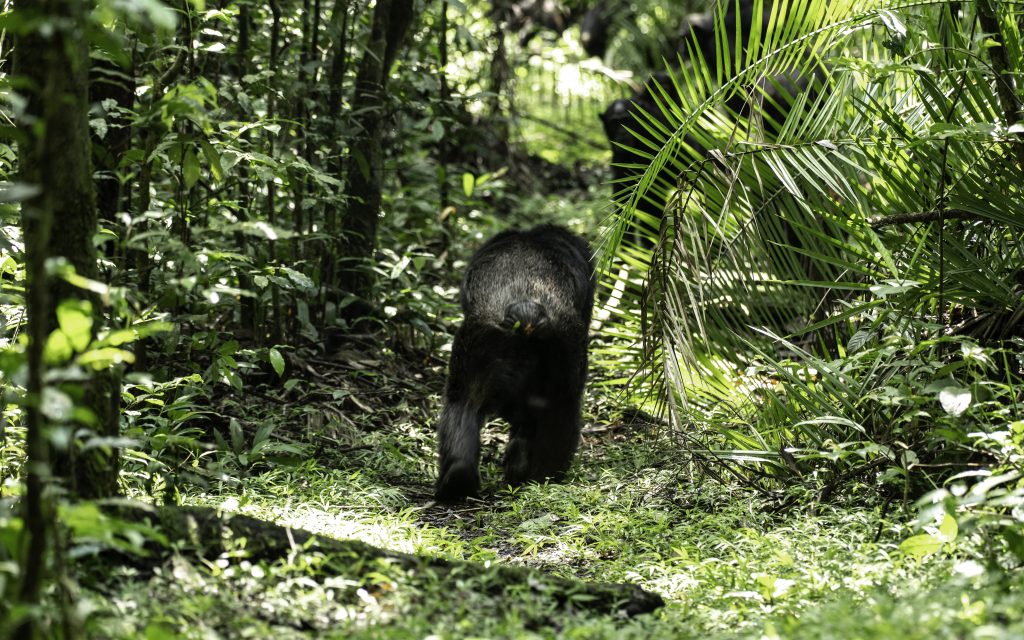
Kibale National Park, often referred to as the “Primate Capital of the World,” was established in 1993. The park is renowned for its dense tropical rainforest and exceptional biodiversity, particularly its primate population. Kibale’s history as a protected area dates back to the early 20th century. This is when it was first designated as a forest reserve. The park plays a critical role in conservation and research, making it a significant site for ecological studies and primate habituation projects.
Kibale National Park is located in southwestern Uganda, in the districts of Kabarole and Kamwenge. Covering an area of approximately 795 square kilometers (307 square miles), the park is bordered by Queen Elizabeth National Park to the south and lies near the Rwenzori Mountains, offering a diverse array of habitats from lowland tropical rainforest to montane forest and savannah.
The park is about 320 kilometers (200 miles) from Kampala, Uganda’s capital, and approximately 370 kilometers (230 miles) from Entebbe International Airport. The journey by road from Kampala to Kibale National Park typically takes about 5-6 hours, making it reasonably accessible for visitors traveling from the capital or the international airport.


Kibale National Park offers a range of accommodation options to suit different budgets and preferences:
The Uganda Wildlife Authority (UWA) manages Kibale National Park and oversees its conservation initiatives. Efforts include anti-poaching patrols, habitat restoration projects, and community outreach programs aimed at promoting sustainable livelihoods. Research conducted in the park focuses on primate behavior, forest ecology, and conservation strategies. Collaboration with local communities and international conservation organizations ensures ongoing protection of the park’s biodiversity.
Kibale National Park is highly regarded in global travel and conservation circles. It is consistently among the ranking for the top destinations for primate viewing in Africa. Its accessibility, well-maintained facilities, and diverse attractions make it a favorite for both casual tourists and dedicated wildlife enthusiasts. The park’s role as a key site for primate research and conservation further enhances its standing and reputation.
Kibale National Park offers an unparalleled experience for nature lovers, primate enthusiasts, and eco-tourists. Its rich biodiversity, stunning landscapes, as well as well-developed tourism infrastructure make it a must-visit destination in Uganda. Whether you’re tracking chimpanzees or exploring crater lakes, you will immerse yourself in the vibrant local culture. There are ongoing conservation efforts to preserve the park’s natural treasures for future generations to enjoy.