+256 771 812 082 +256 707 540 937 info@gandaafricatours.com


Queen Elizabeth National Park

Queen Elizabeth National Park

Queen Elizabeth National Park originally known as Kazinga National Park got the current name after Queen Elizabeth II to commemorate her visit in 1954, is Uganda’s most visited national park. Established in 1952, the park is renowned for its diverse ecosystems, which include savannah, forests, wetlands, and lakes. These habitats support an incredible variety of wildlife, making it a premier destination for both wildlife enthusiasts and researchers.

Location and Size

The park is located in western Uganda, spanning the districts of Kasese, Rubirizi, Kamwenge, and Rukungiri. Covering approximately 1,978 square kilometers (764 square miles), the park lies within the Albertine Rift Valley. It’s also bordered by Lake Edward and Lake George connected by the Kazinga Channel. The park’s location offers stunning views of the Rwenzori Mountains to the northwest.

Distance from Kampala and Entebbe

The park is about 400 kilometers (248 miles) from Kampala, Uganda’s capital, and approximately 420 kilometers (261 miles) from Entebbe International Airport. The drive from Kampala typically takes around 6-7 hours by road, while domestic flights to nearby airstrips significantly reduce travel time.

Queen Elizabeth National Park

Attractions in Queen Elizabeth National Park

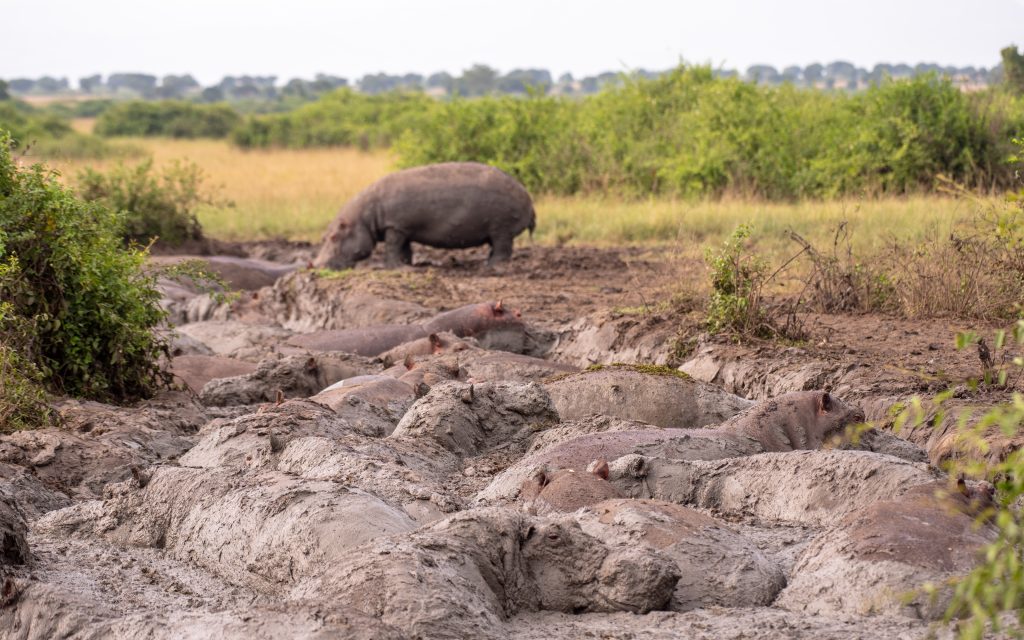
  1. Kazinga Channel: This natural channel links Lake Edward and Lake George, offering one of the world’s highest concentrations of hippos and a myriad of bird species.
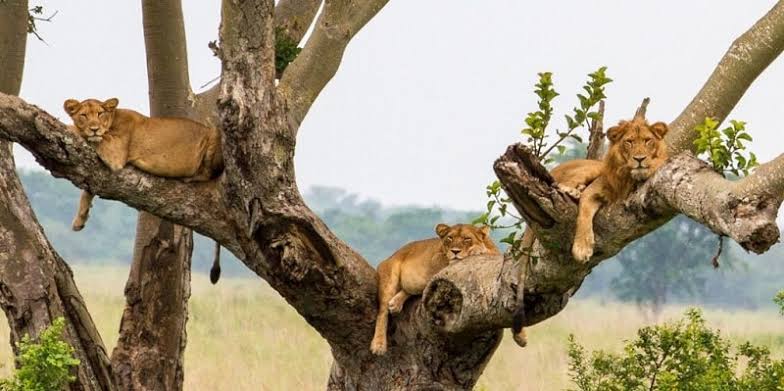
  2. Ishasha Sector: Famous for its tree-climbing lions, this sector in the southern part of the park is a unique highlight.
  3. Kyambura Gorge: Also known as the “Valley of Apes,” this gorge is home to a habituated chimpanzee population and offers incredible primate tracking experiences.
  4. Mweya Peninsula: Located on the northern bank of the Kazinga Channel, the peninsula provides panoramic views and is a hub for tourism activities.
  5. Lake Katwe: An ancient lake known for its salt mining industry, providing cultural and historical insights.
  6. Crater Lakes: The park features numerous scenic crater lakes, formed by volcanic activity, which offer stunning vistas and bird-watching opportunities.

Queen Elizabeth National Park

Activities to do in Queen Elizabeth National Park

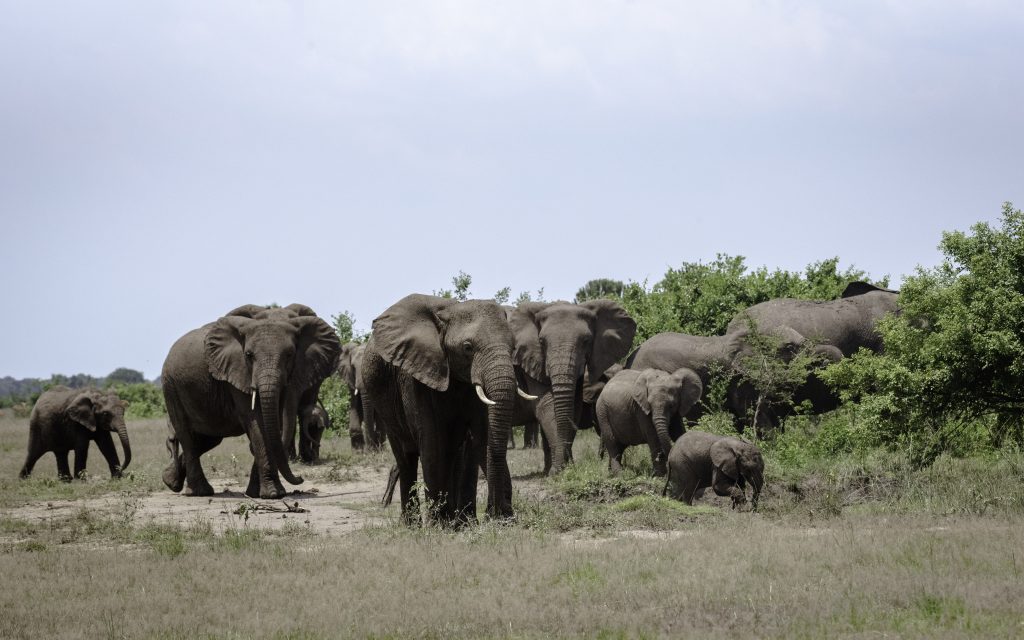
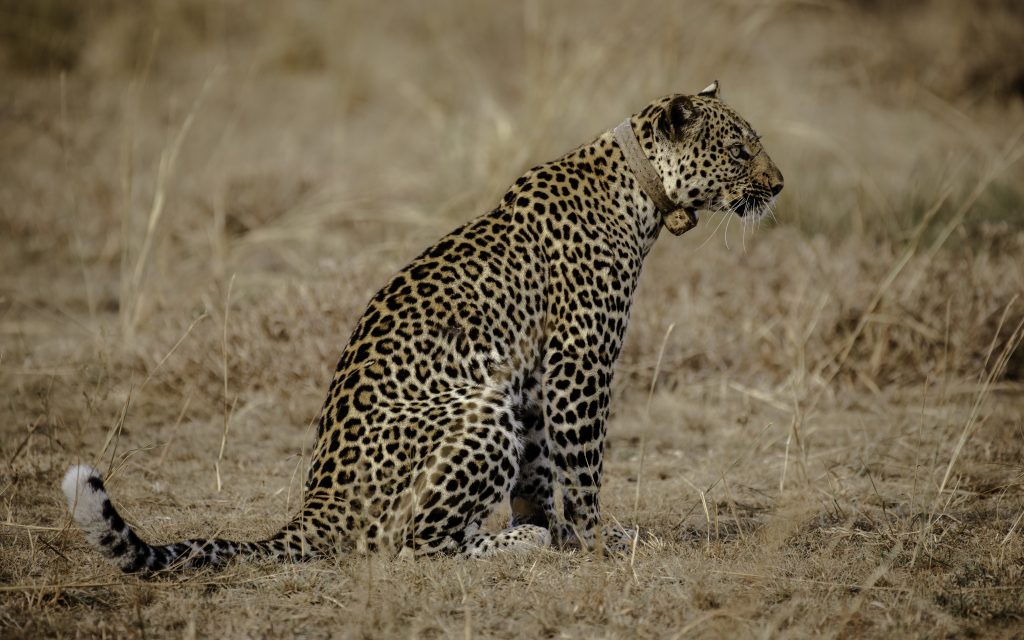
  1. Game Drives: Explore the diverse wildlife in the park, including elephants, buffaloes, lions, leopards, and numerous antelope species. Lion and leopard tracking is a famous activity done in Queen Elizabeth National Park.
  2. Boat Safaris: Cruises on the Kazinga Channel provide close encounters with hippos, crocodiles, and a plethora of birdlife.
  3. Chimpanzee Tracking: Guided treks in Kyambura Gorge offer the chance to observe chimpanzees in their natural habitat.
  4. Bird Watching: With over 600 bird species, including the African fish eagle and the pink-backed pelican, the park is a bird-watcher’s paradise.
  5. Nature Walks: Guided walks in the Maramagambo Forest reveal diverse flora, fauna, and bat caves.
  6. Cultural Encounters: Visit local communities to experience traditional music, dance, and crafts, and learn about the salt mining process at Lake Katwe.

Accommodation in Queen Elizabeth National Park

The Park offers a range of accommodation options, from luxury lodges to budget campsites:

  1. Luxury Lodges: There are a number of luxury lodge in the Park. Elephant Plains Lodge, Mweya Safari Lodge, Kyambura Gorge Lodge, and Ishasha Wilderness Camp provide high-end amenities and stunning views.
  2. Mid-Range Lodges: Twin Lakes Safari Lodge, Parkview Safari Lodge, Enganzi Game Lodge and Marafiki Safari Lodge, offer comfortable accommodations with good facilities.
  3. Budget Options: Bush Lodge, Pumba Safari Cottages, and Simba Safari Camp, UWA Centre caters to budget-conscious travelers, providing basic but comfortable stays.
Queen Elizabeth National Park
Tree Climbing Lions in Ishasha Sector

Conservation Efforts

Uganda Wildlife Authority (UWA) manages the Park and is dedicated to preserving its rich biodiversity through various conservation programs. Anti-poaching initiatives, habitat restoration projects, as well as community-based conservation efforts are integral to protecting the park’s wildlife. Collaborations with international conservation organizations and research institutions also enhance conservation outcomes. Educational programs for local communities aim to foster sustainable practices and reduce human-wildlife conflicts.

Ranking.

This park is consistently ranked among the top safari destinations in Africa. Its diverse landscapes, abundant wildlife, and unique attractions, such as the tree-climbing lions, contribute to its high standing. The park’s accessibility, well-developed tourism infrastructure, as well as comprehensive range of activities attract visitors from around the world. This earns it rave reviews for its scenic beauty and wildlife experiences.

Conclusion.

Queen Elizabeth National Park offers an unparalleled safari experience, combining stunning landscapes, rich wildlife, and vibrant cultural heritage. Whether you’re exploring the wildlife-rich savannahs on a game drive, cruising along the Kazinga Channel as well as trekking to see chimpanzees in Kyambura Gorge, the park provides unforgettable adventures. Its ongoing conservation efforts ensure that this natural treasure continues to thrive, offering future generations the chance to experience its wonders.